Choose Materials That Survive Mountain Conditions
Garage Door Styles & Materials in Heber-Overgaard for homes requiring climate-durable construction and reliable sealing
Material selection directly affects how well a garage door performs through repeated freeze-thaw cycles, high-elevation UV exposure, and the constant temperature swings between daytime sun and nighttime cold that characterize the White Mountains climate. Lightweight doors without insulation lose heat rapidly, crack under stress, and warp when exposed to moisture, while poorly-sealed doors allow snow melt and rain to infiltrate garages, damaging stored equipment and vehicles. Overgaardian Door Service installs residential and commercial garage doors across Heber-Overgaard, Snowflake, and Show Low, stocking multiple material options—steel, aluminum, and wood composite—selected for their ability to maintain structural integrity and operational reliability year-round in high-elevation conditions.
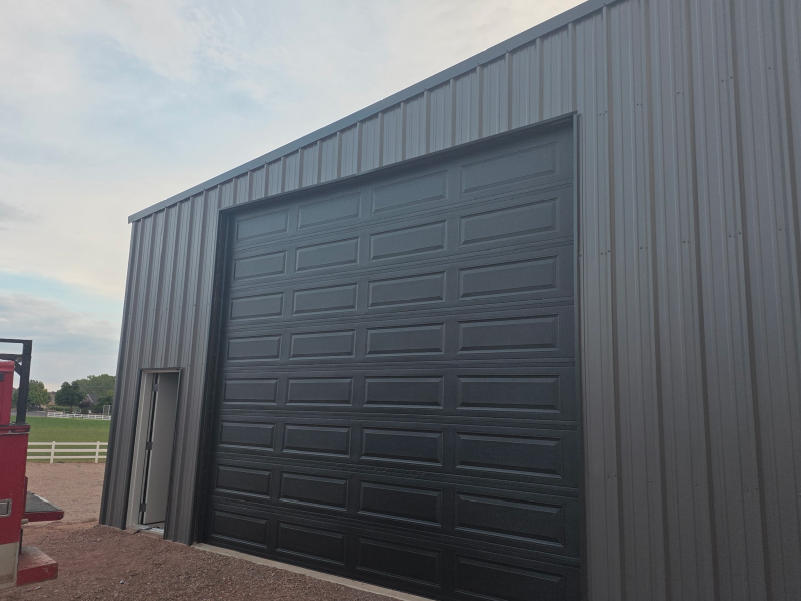
Steel doors with insulated cores resist denting, retain warmth in attached garages, and handle the expansion-contraction cycles caused by temperature swings without warping or cracking. Aluminum doors work well for commercial applications where frequent operation demands lightweight construction, though they transfer cold more readily than insulated steel. Wood composite doors suit homes where aesthetic appearance takes priority, but require more maintenance to prevent moisture damage in climates with significant snowfall and spring runoff.
Schedule a property evaluation to review material options suited to your home's design and the local weather patterns affecting your area.
What Proper Material Selection Requires
Choosing the right material involves balancing durability, insulation value, and visual fit with the home's exterior finishes. The installer assesses whether the garage is attached or detached—attached garages benefit from insulated doors that reduce heat loss and prevent cold air from reaching adjacent living spaces, while detached garages may prioritize impact resistance over thermal performance. Installation quality matters as much as material choice: even a well-built door fails to seal properly if tracks are misaligned, weatherstripping is compressed unevenly, or springs are undersized for the door's weight.
After installation, you'll notice consistent operation without binding or hesitation, a solid seal along all edges that eliminates drafts and moisture intrusion, and quieter performance as insulated panels dampen vibration and noise. Steel doors maintain their finish without the fading or chalking common in lower-quality materials exposed to intense UV at high elevations, and composite doors resist the cracking and splitting that affect solid wood in freeze-thaw conditions.
The founder's decade of garage door trade experience includes working with older homes where custom solutions are needed to fit non-standard openings, as well as new construction where modern materials integrate with contemporary design preferences. Material recommendations account for both immediate aesthetic goals and long-term performance in a climate that stresses every component harder than doors installed at lower elevations.
What Property Owners Usually Ask
Material and style choices affect both appearance and performance, so homeowners typically want to understand trade-offs before committing to a specific door.
What garage door materials work best for Arizona mountain climates?
Insulated steel offers the best combination of durability, thermal performance, and low maintenance in freeze-thaw conditions. Steel resists warping, dents less easily than aluminum, and retains finish coatings longer than wood composite when exposed to UV and moisture cycles.
How much do different garage door materials cost?
Steel doors range from mid-tier pricing for single-layer construction to higher costs for insulated models with decorative finishes. Wood composite doors typically cost more due to material expense and finishing requirements, while aluminum doors fall in the mid-range but offer less insulation value than steel.
Can I see door styles in person before choosing?
Yes, suppliers maintain sample displays showing panel designs, window configurations, and finish options. Reviewing physical samples helps assess how different styles complement your home's exterior and how materials feel in terms of weight and build quality.
Do insulated doors really make a difference in energy costs?
Insulated doors reduce heat transfer between the garage and exterior, which matters most for attached garages where temperature loss affects adjacent rooms. The difference is measurable during winter months when uninsulated doors allow cold air to penetrate, forcing heating systems to work harder to maintain indoor temperatures.
What panel styles are available for residential installations in Heber-Overgaard?
Common styles include raised-panel steel for traditional homes, flush-panel designs for modern architecture, and carriage-house patterns that mimic the appearance of swing-out doors. Window options range from plain glass to decorative inserts that add curb appeal while maintaining privacy.
Overgaardian Door Service helps homeowners across the ten-mile Heber-Overgaard corridor select materials and styles that fit both aesthetic preferences and the practical demands of mountain living. Contact the team to review material options and discuss which construction type suits your home's design and climate exposure.